 HUATAO ROLLS
Chill Roll
A custom casting roll for cooling polymer sheet after the die on biaxially oriented film lines. Confirm the cooling circuit, surface and acceptance criteria for your project.
← Chill & Cooling Rolls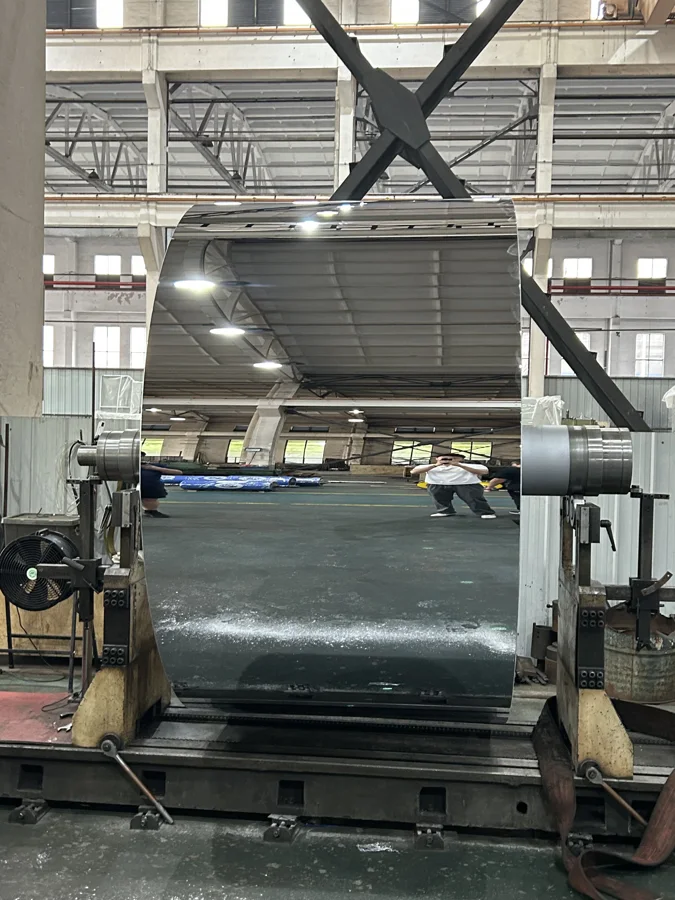
Roller details and specifications
| Item | Details |
|---|---|
| Process | Film casting and cooling |
| Coaxiality and cylindricity | ≤ 0.01 mm |
| Straightness | ≤ 0.01 mm |
| Chrome thickness | ≥ 120 µm |
| Chrome surface hardness | ≥ 62 HRC |
| Surface roughness | Ra ≤ 0.005 µm |
| Construction option | Double shell with dual-flow channel |
| Shell material options | Stainless, low-carbon, medium-carbon or alloy steel |
| Published maximum dimensions | Ø 3,000 mm and length 12,000 mm. Confirm the feasible combination by drawing. |
| Surface temperature variation | The original listing gives both ±1 °C and ±0.5 °C. Agree a target and test conditions for the project. |
| Specification inputs | Coolant, flow, inlet temperature, web speed and surface finish |
| Dimensions and tolerances | Confirmed for each drawing and operating condition |
| Model or part number | Drawing-controlled custom roller. Supply the original part identifier or drawing revision. |
Prepare your chill roll purchase
Product design and application
On BOPP and BOPET casting lines, the chill roll extracts heat from molten polymer immediately after the die. The solidification profile affects film crystallinity and surface texture. The circulating water redistributes heat across the barrel, limiting cross-web differences that can translate into film defects.
Specify the coolant, flow, inlet temperature and working surface temperature together. Keeping the surface above the local dew point helps prevent condensation. Stable cooling and surface condition can help control defects such as bubbles and scratches.
The original catalogue lists stainless, low-carbon, medium-carbon and alloy steel choices, plus a dual-flow, double-shell option. The roll may be produced to the buyer's drawing or reviewed from operating requirements. Confirm the combination of diameter, face length, finish and thermal load. The original page gives both ±1 °C and ±0.5 °C for surface temperature variation, so the measurement method and agreed target belong in the project specification.
How to use the published specifications
These original catalogue figures and options are references for custom projects. Confirm the final configuration, dimensions, operating limits and acceptance criteria against the approved drawing and quotation.
Prepare a drawing or part reference
Include roll diameter, face length, overall length, mounting interfaces and the drawing revision. State how the roll is used and which inspection criteria must be agreed before order.
Drawing and acceptance inputs
Record diameter, face length, cooling medium, flow, inlet temperature and target thermal conditions. Agree surface finish, coating thickness, coaxiality and balancing requirements. When specified, confirm pressure-test medium, pressure and hold time, plus the method and conditions for checking surface temperature uniformity.
Casting chill roll and PRS cooling roll
A casting chill roll contacts the sheet as it leaves the die. A PRS cooling roll serves a later pull-roll station. Identify the position, film type and coolant connections before comparing options.
Construction and operating limits
A double-shell, dual-flow circuit is one configuration listed by HUATAO. Selection depends on roll dimensions, circuit connections, available flow and the thermal duty. Agree surface temperature uniformity under defined test conditions.
Inspection items to agree
Project inspection records can cover dimensions, appearance, surface finish, coating thickness, coaxiality, balance and a pressure hold test when specified. Confirm measurement locations, units, operating or test conditions and acceptance limits against the approved drawing.
Request a quote for your line
Send your drawing reference or part number, station, diameter and face length, coolant, flow, inlet and target temperatures, web speed and quantity. If you only have an existing roll, start with the line and station and add the measurements you have.
Selection criteria
Select by heat removal at the casting die and the required film-side finish.
Installation and operating checks
Confirm face and overall length, shaft ends, rotary union, coolant flow and inlet temperature. Agree the surface temperature measurement conditions and pressure-test requirements if applicable.
What to send for a quotation
Send the Chill Roll name, line and station, original part reference or drawing revision, dimensions, quantity and delivery destination. Confirm face and overall length, shaft ends, rotary union, coolant flow and inlet temperature. Agree the surface temperature measurement conditions and pressure-test requirements if applicable.
Sources
Files and media
Applications
BOPP & BOPET Film LinesFind rollers by production stage and confirm the station before specifying a replacement.Film Casting & CoolingSpecify a cooling roll around the thermal duty and equipment interfaces.Biaxially Oriented Film Line Roll PositionsFrom casting through orientation and winding, locate the roller by its production stage.Film Casting and Dewatering Roll PositionsIdentify the casting, stripping and dewatering stations before requesting a replacement.BOPP Film Line RollersIdentify the roller by its casting, orientation, treatment or winding station. Verify film contact, speed and interfaces on the actual line.BOPET Film Line RollersFind the roller by station and verify the temperature, film-contact surface and drawing requirements for your polyester film line.
OEM programmes
Technical resources
Roller RFQ ChecklistDownload a blank checklist to prepare your technical request.Inspection PlanningAgree the inspection scope and acceptance criteria for your project.Drawing & Inspection Checklist for Custom RollersUse the drawing, operating conditions and inspection plan to prepare a technical quotation.Roller Inspection by ProjectAgree how to inspect the roller before you place the order.
FAQ
Ordering & Replacement FAQWhat to prepare for new rolls and replacements.Specifications & Inspection FAQWhich project-specific requirements to confirm before ordering.
Engineering insights
Selection guides
How to Request a Custom Roller QuotePrepare a drawing, operating conditions and acceptance requirements.What to Check When Chill Roll Cooling Is UnevenSeparate coolant, surface contact and measurement factors.What to Agree Before Roller InspectionTurn drawing requirements into a measurable acceptance plan.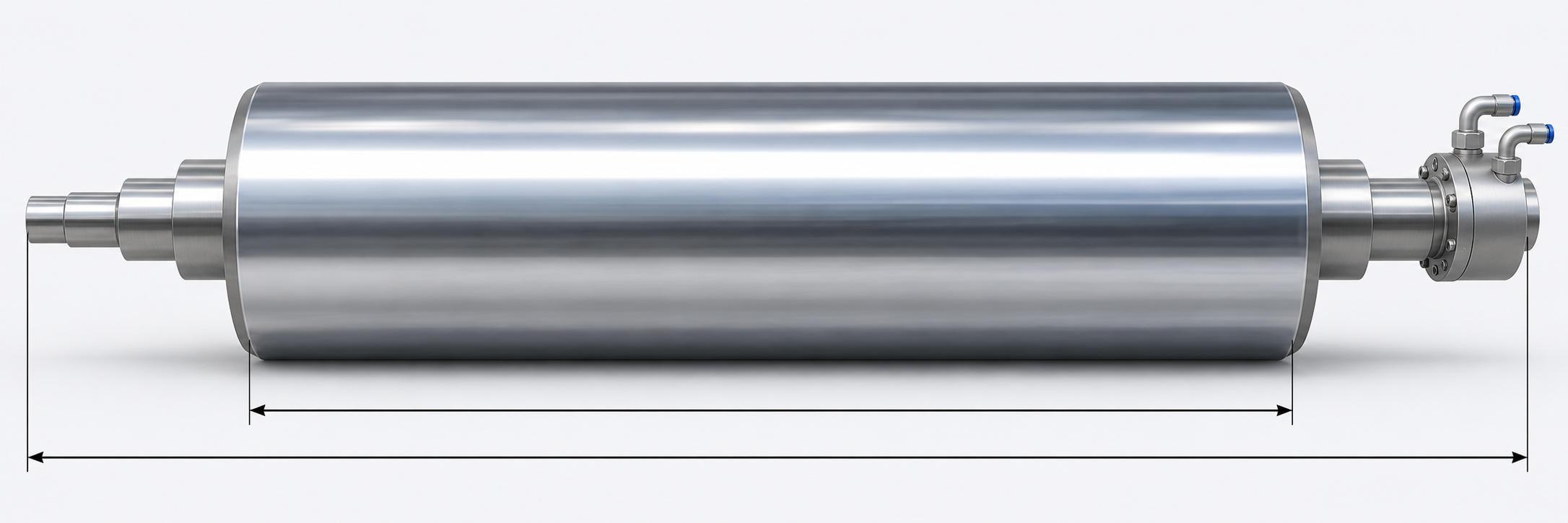 Before the RFQ: What to Confirm for a Wide-Web BOPET Chill RollA practical checklist for engineering, maintenance, and procurement teams specifying, quoting, inspecting, and installing a wide-web BOPET chill roll.